What Causes Yellow Teeth and How Teeth Whitening Can Help
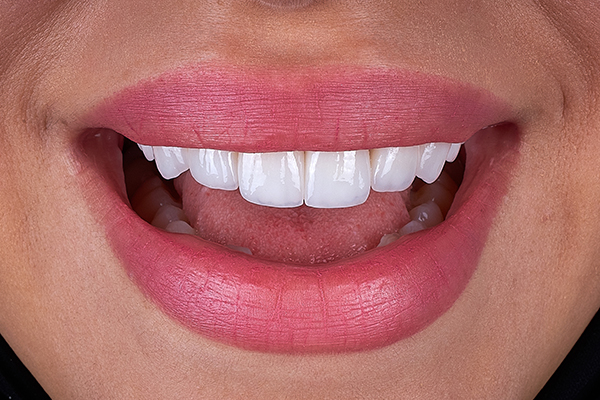
While a bright, white smile is a sign of health and youth, teeth naturally change color for various reasons, making them appear dull or yellow. Fortunately, teeth whitening is an effective and popular way to boost their brightness and confidence. Some stains are only on the surface, while others develop within the tooth structure itself. Here is what you need to know about why the color of your teeth changes and how professional teeth whitening can help restore the brightness of your smile.
The reason teeth lose their natural shine
A tooth has multiple layers that determine its shade. The enamel is the hard, protective outer shell. This layer is translucent and can vary in thickness depending on the individual's genetics. Beneath the enamel lies the dentin, a dense tissue that possesses a naturally yellowish tint. When the enamel remains thick and smooth, the teeth appear whiter. However, when the enamel thins or develops stains, the yellow dentin becomes more visible to the naked eye. This shift can leave a person with an older-looking smile, even with consistent oral hygiene habits.
Two distinct types of stains affect the look of a smile: extrinsic and intrinsic. Extrinsic stains sit on the surface of the enamel and usually result from food, drink, or tobacco use. Meanwhile, intrinsic stains develop inside the tooth, frequently due to trauma or certain medications. As a result, these two types of discoloration require different approaches by a dental professional.
Common sources of yellow stains
Several daily habits and biological changes lead to a darker smile over time. While some causes are preventable, others are a common part of the human experience. Awareness of the following factors can help patients make better choices for their long-term dental health.
- Dark-colored beverages
- Smoking and other tobacco products
- Natural aging and genetics
- Poor hygiene habits
- Specific medications
Our team will work with each patient to identify the specific causes of their issues and create a customized treatment plan. By addressing the root problem, the results of the treatment last much longer.
How professional teeth whitening works
Professional teeth whitening methods are safe and effective when performed under the supervision of a dental professional. Professional-grade bleaching gels contain high concentrations of hydrogen peroxide, a powerful bleaching agent. When applied to the teeth, the oxygen molecules from the peroxide infiltrate the porous enamel. These molecules break the chemical bonds that hold the stains together. As the stains dissipate, the teeth appear several shades lighter in a short amount of time.
Professional teeth whitening vs. over-the-counter options
Professional teeth whitening is more efficient than over-the-counter options. Over-the-counter whitening strips and pastes usually only target the surface and do not reach the deep-set stains within the enamel. In contrast, an in-office treatment at our office or take-home whitening trays provides a more uniform and dramatic change. Our team ensures the safety of the gums and soft tissues throughout the treatment process, which minimizes the risk of tooth sensitivity or irritation.
Simple steps to preserve the whitening results
After the patient achieves a brighter smile, they will need to take proactive steps to protect the long-term benefits of their investment. The longevity of the treatment depends on how well a person manages their diet and oral care routine. Fortunately, making small changes to daily life prevents new stains from forming and keeps the smile looking refreshed for months or even years. Some helpful habits may include:
- Using a straw: This simple tool helps dark liquids bypass the front teeth, reducing direct contact with the enamel.
- Rinsing with water after eating: A quick rinse with plain water after meals helps clear away food particles and pigments before they settle.
- Following a consistent oral hygiene routine: Brushing twice a day and flossing once a day prevents the buildup of yellow plaque and tartar.
- Attending routine dental checkups: Regular professional cleanings remove surface-level stains that cleaning with a standard toothbrush may miss.
- Avoid smoking: Quitting tobacco is one of the most effective ways to prevent discoloration after teeth whitening treatment.
Proper care and maintenance ensure that the results remain visible and beautiful for the long term. Additionally, patients who follow these guidelines to maintain their smile typically need fewer touch-up appointments over time.
Schedule a consultation at our Houston office
If you are tired of hiding your smile because of discoloration, teeth whitening from a dentist provides a reliable solution to help you look your best. Whether your yellow teeth come from coffee, age, or genetics, the Dental Bright team is here to help you reach your smile goals. Please call our office in Houston to discuss our available whitening options or to schedule a consultation.
Request an appointment here: https://dentalbrighttx.com or call Dental Bright at (713) 357-6355 for an appointment in our Houston office.
Check out what others are saying about our dental services on Yelp: Teeth Whitening in Houston, TX.
Related Posts
Teeth whitening remains one of the most popular cosmetic dental treatments. This treatment offers individuals the opportunity to enhance their smiles and boost their overall confidence. With numerous options available, two primary choices dominate the conversation: professional teeth whitening versus at-home whitening kits purchased over the counter. Both methods can brighten teeth, but there are…
A dental crown can repair a damaged tooth or be placed on top of a dental implant to replace a missing tooth. However, you may also wonder if a bridge is the better choice for tooth replacement. Both treatments restore function and improve appearance, but they solve different problems. A closer look at how each…
A dental crown acts like armor for vulnerable tooth structures, but even the strongest restoration experiences stress over time. Recognizing early warning signs prevents cracks from progressing into fractures that threaten oral health. Here are five that warrant a trip to the general dentist.Prolonged pain or sensitivity is never normal and always indicates an underlying…
General dentists use dental crowns to restore damaged or weakened teeth, improving their function and appearance. However, the benefits of dental crowns can be compromised by bruxism. Bruxism, the involuntary grinding or clenching of teeth, usually occurs while individuals are asleep but can also affect them while they are awake. This condition can threaten the…