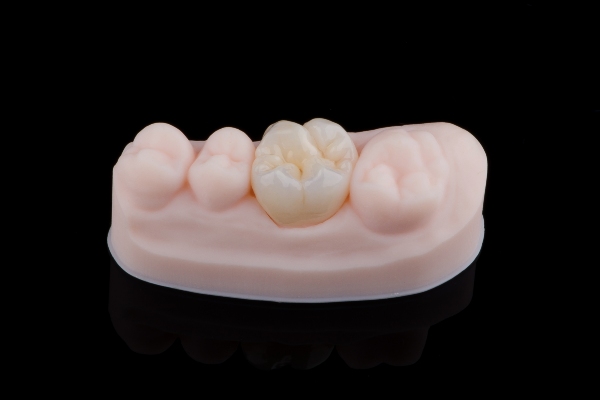
 While dental crowns help protect and restore damaged teeth, they can become loose over time. Knowing what to do when this happens can help prevent pain or further damage. A loose crown may feel strange, affect chewing, or even fall out. However, acting quickly and visiting a general dentist can help fix the problem before it worsens.
Why a dental crown may become loose
There are several reasons why dental crowns may become loose. One common cause is worn-down cement, which no longer holds the crown in place. Teeth grinding, chewing hard foods, or injuries can also weaken the crown. In some cases, decay under the crown can cause it to shift or loosen.
Even though a loose crown does not always cause pain, patients should not ignore it. If the crown is moving, bacteria can enter the gap and cause decay or infection. The general dentist will check for signs of damage and decide on the best solution.
What to do right away
If a crown feels loose, avoid chewing on that side of the mouth. Hard or sticky foods can make the problem worse or cause the crown to fall out. If the crown does come off, keep it safe and bring it to the dental office. Rinsing the mouth with warm salt water can help keep the area clean. Over-the-counter dental cement or toothpaste may be necessary to hold the crown in place temporarily, but only if advised by a dentist. The crown should never be forced back onto the tooth.
How a dentist can help
The general dentist will examine the crown and the tooth underneath. If the crown is in good condition and the tooth is still healthy, the dentist may be able to clean the area and cement the crown back in place. If the crown or tooth is damaged, a new crown may be necessary.
X-rays will allow the dentist to look for signs of decay or other issues. If decay is present, it will need immediate treatment before placing a new crown. The dentist will explain the options and guide the patient through the next steps.
How to prevent loose crowns
Taking care of dental crowns can help them last longer and stay in place. Brushing and flossing daily removes plaque and helps keep the gums healthy. Avoiding hard, crunchy, or sticky foods also helps protect crowns from becoming loose. Wearing a custom-made night guard can be helpful for patients who grind their teeth while sleeping. Additionally, regular dental visits enable the dentist to inspect the crown’s condition and address minor issues before they escalate into more significant problems.
Protect your smile with the right care
Loose dental crowns can be uncomfortable and may lead to further problems if left untreated. A general dentist can check the crown, provide the right treatment, and help prevent future issues. Quick action and good dental habits help keep the smile healthy and secure.
Request an appointment or call Dental Bright at 713-357-6355 for an appointment in our Houston office.
Related Posts
Dental crowns are a widely used tooth restoration solution in general dentistry. However, it is common to have questions about crowns if it is your first time getting one. Exploring the answers to these questions is the first step in helping you prepare for an upcoming dental crown appointment.Dental crowns are caps that fully encase…
Dental crowns can restore severely damaged teeth so that you can smile with confidence. Beyond aesthetics, they also reinforce the bite in strength and function. If you think you need a dental crown or are recommended one after a root canal, learning the step-by-step process of getting one can help you feel at ease.General dentists…
A dental crown often gains attention for its ability to create a beautiful smile, but its true value extends far beyond appearance. This restoration reinforces weakened teeth and chewing function while preserving overall oral health when placed thoughtfully by a general dentist. Understanding the restorative role of crowns helps patients appreciate their long-term benefits and…