What to Know About the Dental Crown Process
Dental crowns play a central role in modern restorative dentistry, offering durable protection for damaged teeth while restoring natural function. Anyone preparing for this treatment benefits from understanding the steps involved in the dental crown process and the advantages it provides.
Initial examination and diagnosis
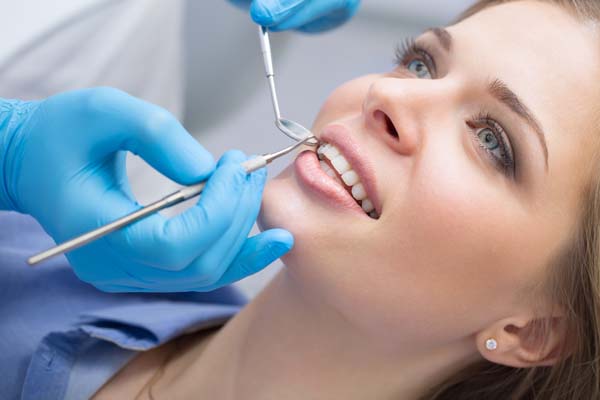
The dental crown process begins with an examination performed by a dental professional. During this evaluation, the dentist assesses the condition of the affected tooth and checks for structural concerns that could compromise the patient's long-term oral health. This part of the appointment allows the provider to determine whether a crown is the most appropriate solution for the patient's needs.
Dentists often recommend dental crowns when additional structural support or aesthetic improvement is needed. Some of the most frequent reasons include:
- Strengthen a weakened or decayed tooth
- Protect and support a cracked tooth against further fracture
- Restore a worn or broken tooth to improve function
- Cover a severely discolored or misshapen tooth
- Protect a tooth treated by a root canal
By identifying the underlying issues early, the dental team can establish an effective treatment plan that preserves the patient's oral health and long-term function.
Preparing the tooth
After determining that a dental crown is necessary, the next step involves preparing the tooth for the new restoration. The dentist begins by removing a small portion of the outer enamel. This step in the process creates enough space for the crown material, ensuring a secure and comfortable fit. The amount of enamel removed varies depending on the type of crown, the location and condition of the tooth, and the patient's treatment goals.
If the tooth is significantly damaged or worn down, the dentist may add core build-up material. Build-up material reinforces the remaining structure and provides a stable foundation for the crown. This step contributes to the crown's long-term durability, particularly when the underlying tooth has lost strength due to decay, fracture, or previous dental restorations.
After shaping the tooth, the dentist will take an impression. This record captures the precise dimensions needed to create a custom crown that matches the patient's bite, teeth alignment, and surrounding teeth. At some dental practices, they offer 3D dental scanning, which is a modern approach that allows the dentist to remove the need for traditional impression materials in the dental crown process.
Temporary crown placement
A temporary crown is placed on the prepared tooth while the permanent restoration is crafted in an off-site dental laboratory. These temporary crowns typically consist of acrylic or composite materials for short-term use. Although temporary, these crowns serve an important role in protecting the prepared tooth until the final crown is ready.
Temporary crowns allow the patient to continue daily activities without disruption until the final restoration is ready for placement. It also protects the tooth from temperature sensitivity and prevents the shifting of nearby teeth. Proper care during this period helps maintain the stability of the temporary crown and prevents complications.
Fabricating the permanent crown
The permanent crown is custom-made in a dental laboratory using the specifications obtained from the impression or digital scan. Various materials are available, each selected based on the location of the tooth, functional requirements, and aesthetic goals. Common options include:
- Porcelain
- Ceramic
- Metal alloys
- Porcelain fused to metal
- Zirconia
Each material offers unique benefits. For example, porcelain and ceramic provide a natural appearance for front-facing teeth, as they resemble natural enamel and blend seamlessly with the surrounding teeth. Meanwhile, metal alloy crowns offer durability and strength for the back teeth and molars for efficient chewing and biting. Additionally, zirconia crowns offer a balance of durability and cosmetic benefits, making them an ideal choice for front and back teeth.
No matter the type of material, the dental team will work with the patient to determine the best possible restoration for their needs and preferences. During fabrication, the dental technicians will design the crown with attention to color, shape, and contour. This care ensures that the permanent restoration functions effectively and appears natural.
Placing and adjusting the permanent crown
When the permanent crown is complete, the dental team will remove the temporary restoration and place the new crown on the prepared tooth. The dental provider checks the fit, bite alignment, and overall comfort. If necessary, the dentist will make adjustments to ensure it fits comfortably and securely. Once they confirm a final fit, the dentist will cement the crown to the tooth with dental cement.
Learn more about the dental crown process
Do you have further questions about the dental crown placement process? The Dental Bright team is here to answer them. Call our Houston office today to learn more about dental crowns or to schedule a consultation.
Request an appointment here: https://dentalbrighttx.com or call Dental Bright at (713) 357-6355 for an appointment in our Houston office.
Check out what others are saying about our dental services on Yelp: Dental Crowns and Dental Bridges in Houston, TX.
Related Posts
A dental crown can help to fix a variety of dental issues like chipped, cracked, broken, decayed, or deformed teeth. The crown covers up the visible part of the tooth and restores its function. Getting a dental crown placed on a tooth typically involves two trips to the dentist. The first is used to prepare…
Dental crowns are supposed to last forever, right? In the right set of circumstances, they could. Some crowns will last several decades while others will last a lifetime. Then there is the dental crown that comes loose for one reason or another. A loose crown means that a trip to the dentist is in the…
A dental crown and veneers are common dental treatments for restoring the appearance and functionality of your teeth. They can be used to restore damaged teeth and achieve a perfect smile depending on your dental condition. Although both dental crowns and veneers are useful tooth restoration options, the purpose, structure, and functionality of each differ.A…
A dental crown is a versatile restoration that can be used to address a wide range of dental issues like a cracked, chipped, decayed, deformed, or broken tooth. The crown covers up the part of the tooth that is visible above the gums, protecting it from further damage and acids made by oral bacteria.The severity…